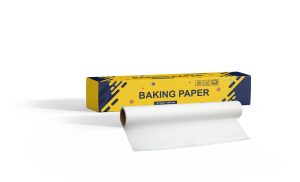
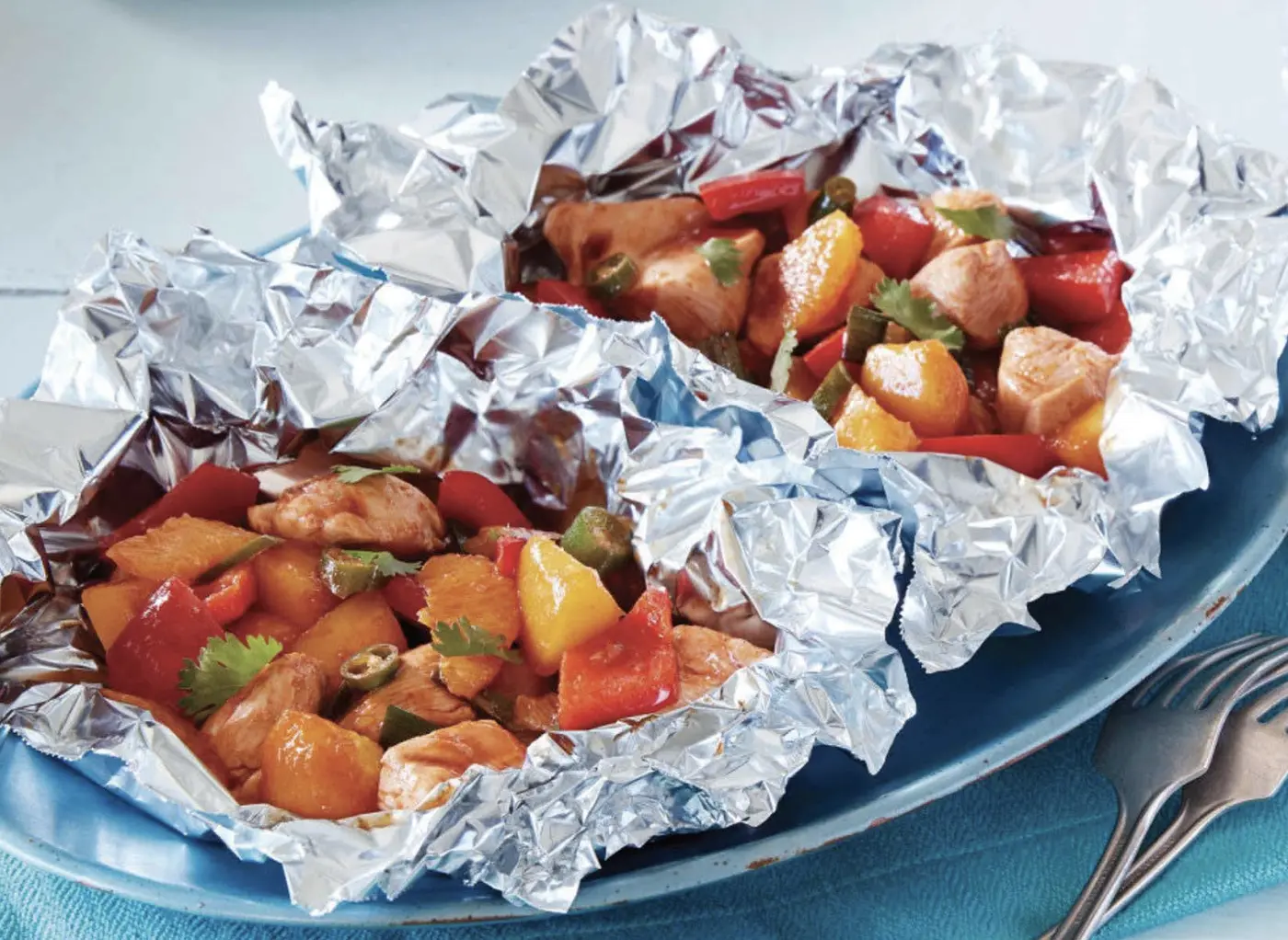
Baking paper can help with preparation and handling, but the right use depends on the paper, recipe and appliance. FIRSTALU's catalogue lists silicone-coated baking paper. That description alone does not establish a temperature limit, a permitted appliance or how many times a sheet can be used.
1. Line a tin to its actual shape
Cut the paper to fit the base and sides specified by the recipe. Keep it within the appliance's placement instructions. Avoid unnecessary loose overhang, and check whether the recipe still calls for greasing the tin.
2. Help release a bake
A suitable non-stick baking paper provides a separating layer between food and the tin. Let the bake cool as its recipe directs, then loosen and support it before lifting. Paper does not guarantee that a delicate cake will hold together or that a heavy bake can be carried by the sheet alone.
3. Plan spacing before a batch
Arrange portions on a fitted sheet with the spacing required by the recipe. Check the layout before baking. This makes the planned positions visible; it does not stop dough spreading or correct an oven hot spot.
4. Roll out dough on a suitable surface
If the paper's instructions permit this preparation use, try a sheet underneath dough or above it while rolling. Start with a small piece to see how it releases. Follow the recipe for flouring and chilling rather than assuming the paper replaces those steps.
5. Separate cooled items for storage
Where the product allows the intended storage conditions, cut separators for layers of cooled baked goods. Put them in a suitable container. The separators are for handling; they do not establish a shelf life or replace the food's storage instructions.
6. Organize cleanup
After cooling, remove the liner and loose crumbs, then clean the tin as needed. Inspect before any further use and follow the paper manufacturer's reuse directions. Do not assume used coated paper belongs in paper recycling or compost: ask the local service about that exact material and food residue.
Check before heating
Read both the paper label and appliance manual. Reynolds' own parchment instructions, for example, exclude open flame and broiling; they are not a temperature rating for FIRSTALU paper. If the intended use is not documented, choose a suitable alternative.