
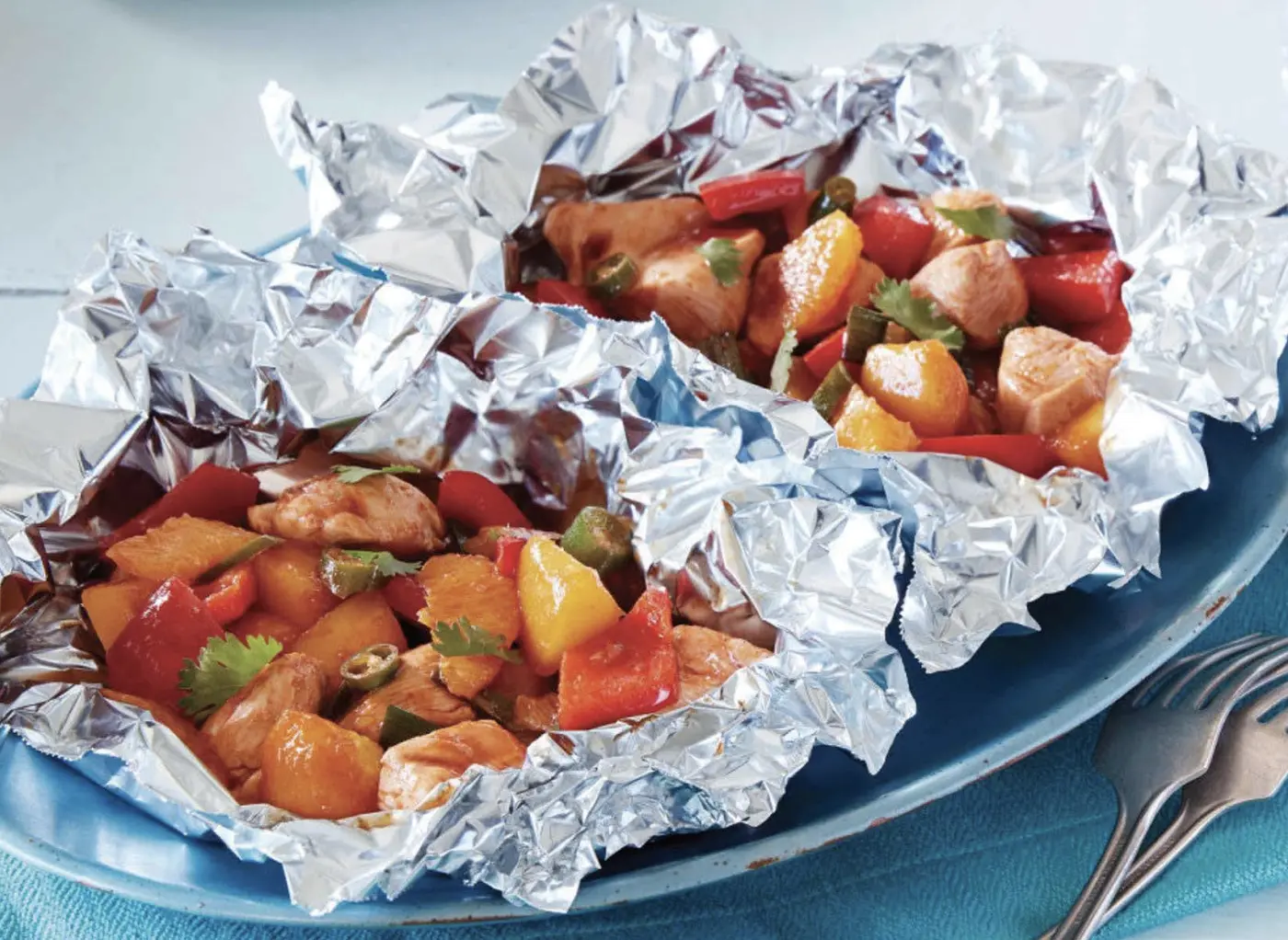
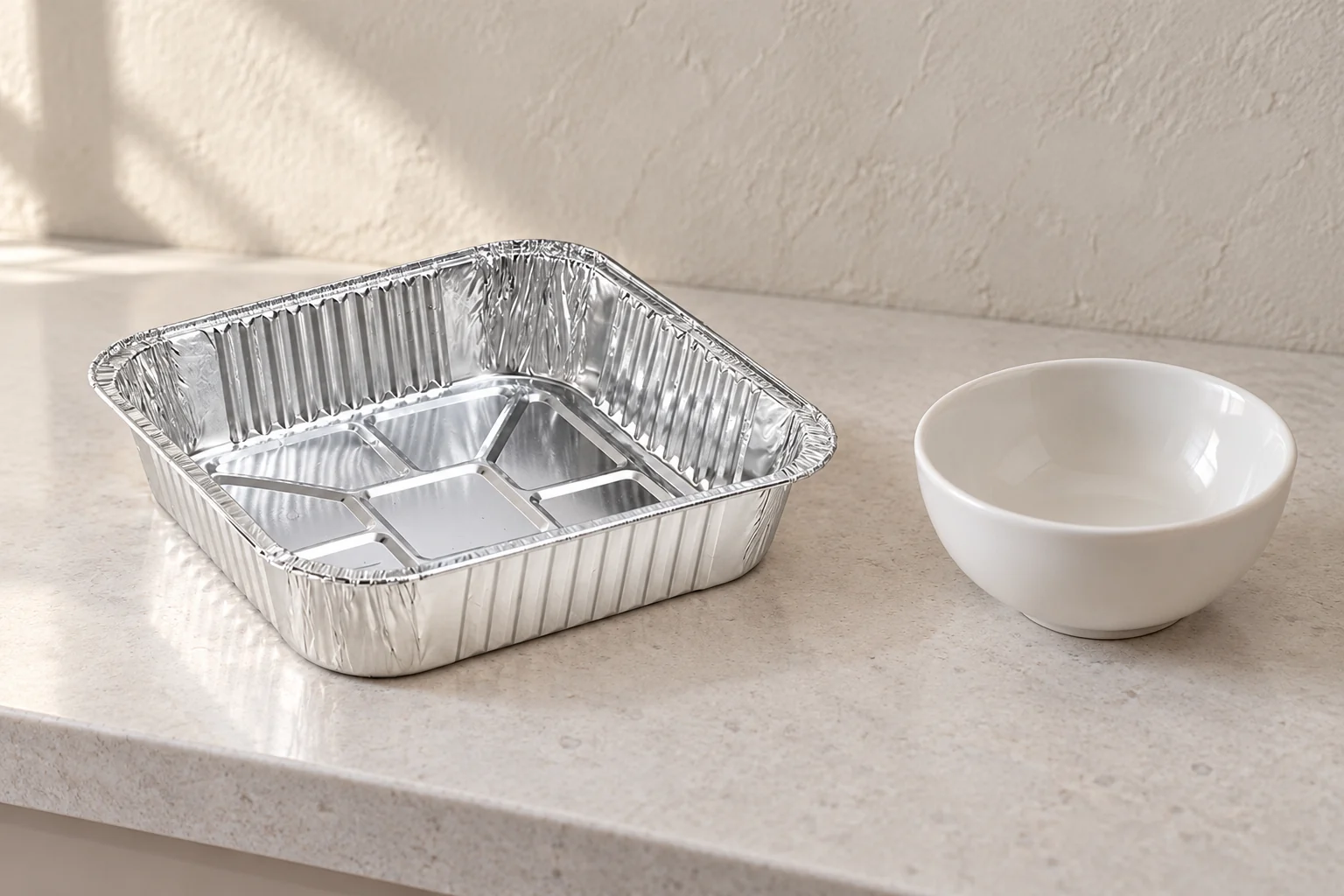
When you buy aluminum foil containers for takeaway or catering, the fastest way to reduce mistakes is to start from the buyer use case, not from the tray shape. Hot food, chilled food, oven-ready meals, and display-ready retail packs all need different combinations of size, wall strength, finish, and lid fit. If those points are locked early, quotes get cleaner and samples get closer to the final order.
Start with the meal and the service model
First define the menu, portion size, delivery distance, and how the pack will be used after filling. A tray for hot takeaway food may need different stiffness than a tray for chilled display packs or oven-ready meals. If your operation serves multiple menu items, compartments may matter more than capacity alone. Clear use-case input makes the quote more accurate and reduces back-and-forth later.
Lock the size from the portion and carton
Buyers should always compare the inside capacity and the outside footprint. A tray may look right on paper but still fail if it does not stack well in delivery cartons or fit the kitchen workflow. Ask for samples early and test how the container sits in the carton, on the shelf, and in the hand. That simple check usually catches problems before mass order.
Choose wall strength and surface finish
Wall strength affects how the tray behaves during filling, sealing, stacking, and transport. Thin walls may work for light desserts, but heavier meals usually need more rigidity. Surface finish matters too. Some buyers only need a plain look, while others prefer a lacquered finish for a cleaner presentation. If your market expects a specific appearance, confirm that with the supplier before you compare prices.
Match the lid to the buyer goal
Paper lids are stronger when printing, branding, and a more finished retail look matter. Plastic lids are better when visibility is important and the buyer wants customers to see the portion and food condition without opening the pack. The right lid is the one that supports the way you sell the product, not just the one that closes the tray.
Ask for the right sample tests
Do not judge a container from photos alone. Ask the supplier for samples and test filling, sealing, stacking, and transport. If the tray will go into ovens, refrigerators, or freezers, confirm the working temperature range as well. A good sample should survive normal handling and still look acceptable when it reaches the end customer.
Send a buyer-ready RFQ
The best quotation request is short but specific. Send:
- food type and portion size
- target capacity or dimensions
- hot use, freezer use, or oven use
- tray shape preference: round, rectangular, or compartment
- lid preference: paper or plastic
- plain or lacquered finish
- printing or custom packaging needs
- expected order quantity and target delivery date
Final buyer takeaway
A good aluminum foil container is the one your operation can buy repeatedly without surprises. It should fit the menu, stack well, survive delivery, and present the food the way your market expects. If you are sourcing for a takeaway or catering program, send the menu, size target, lid preference, and quantity first. Then the supplier can quote against a real brief instead of guessing.
Need help choosing the right aluminum foil container? Send your menu, size target, lid preference, and quantity for a quotation.