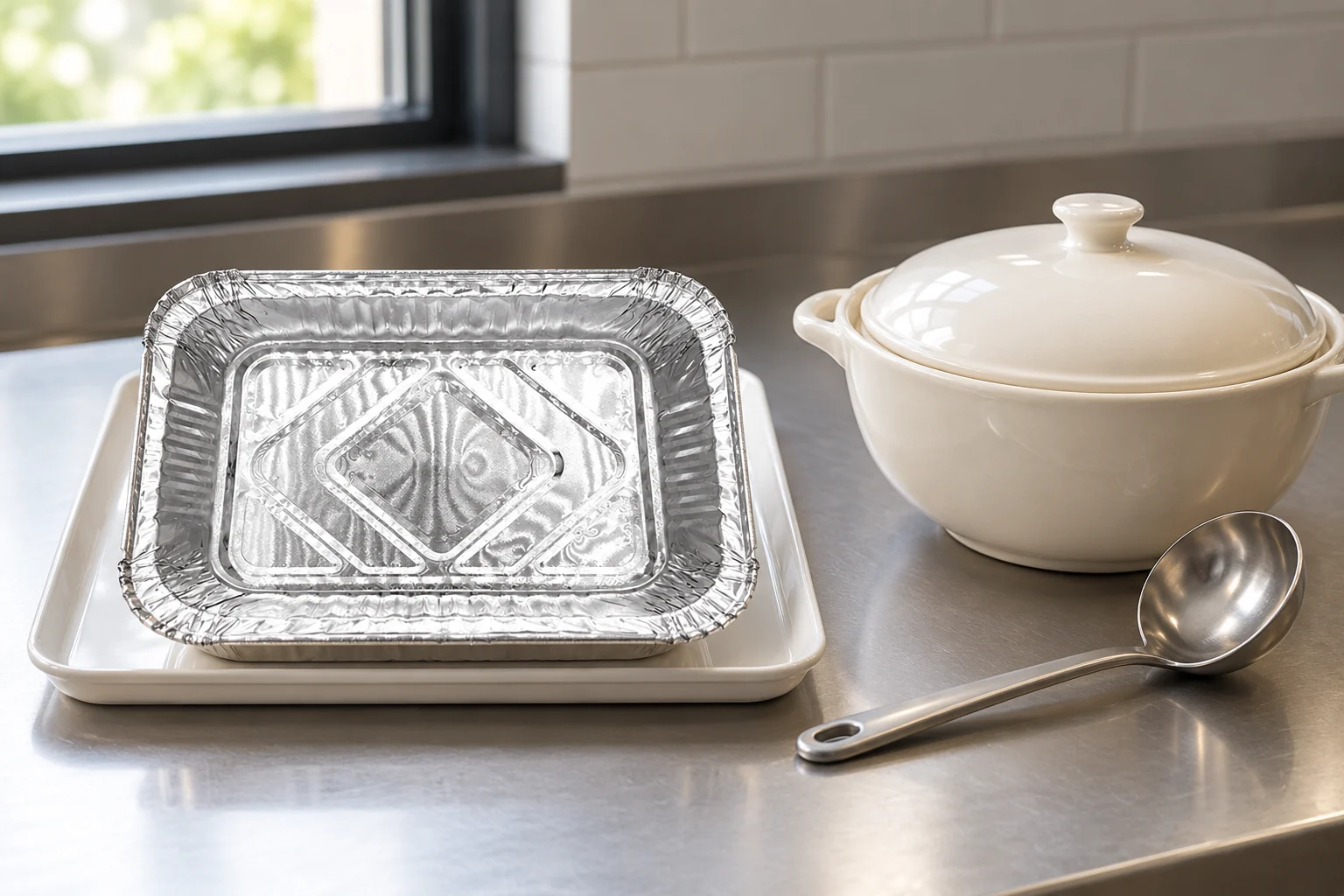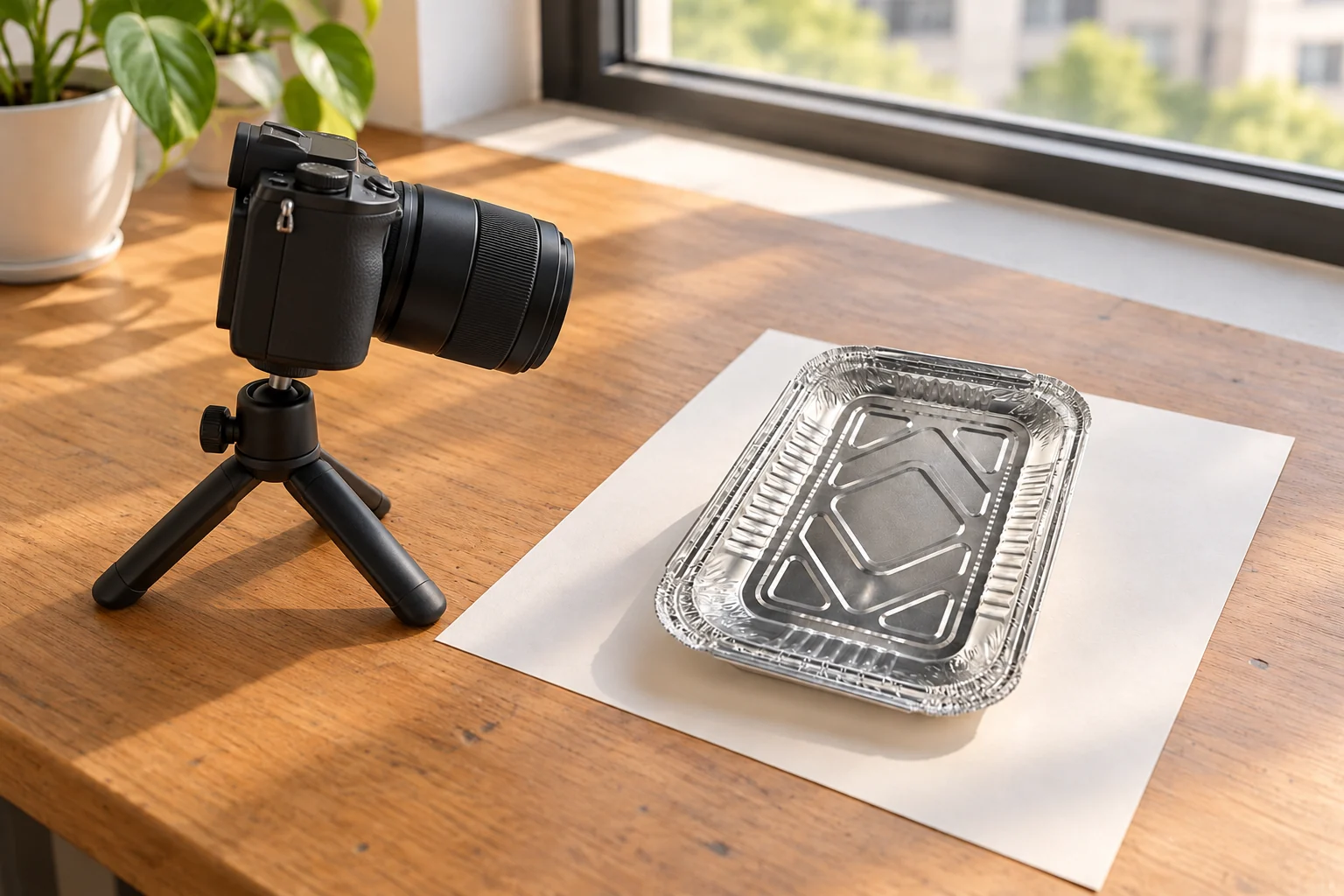
Foil Meal Packs: From Freezer to Reheating
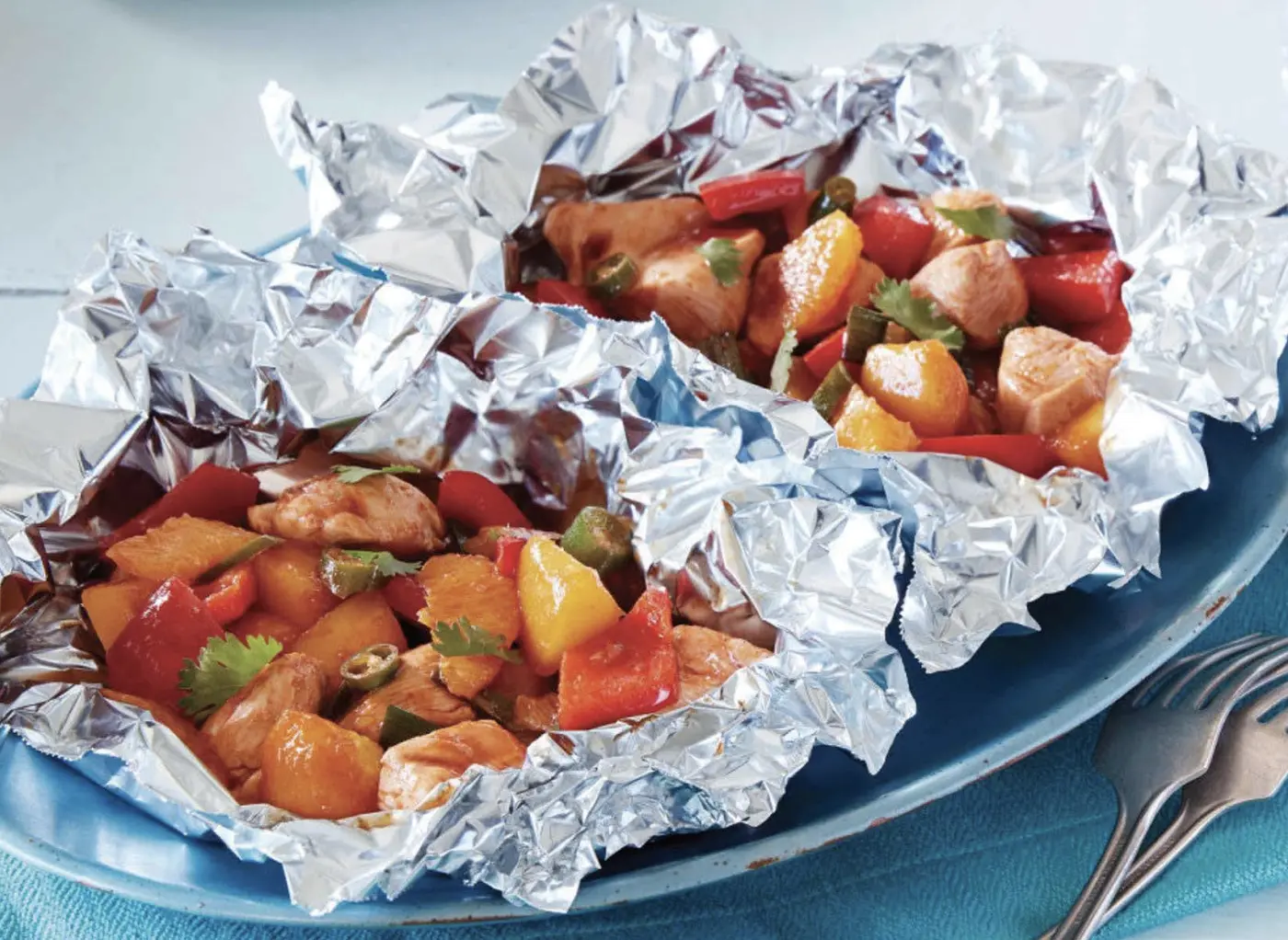
Follow a meal pack through filling, freezing, storage and reheating, with clear checks for each packaging component.
3 min read · Read article →
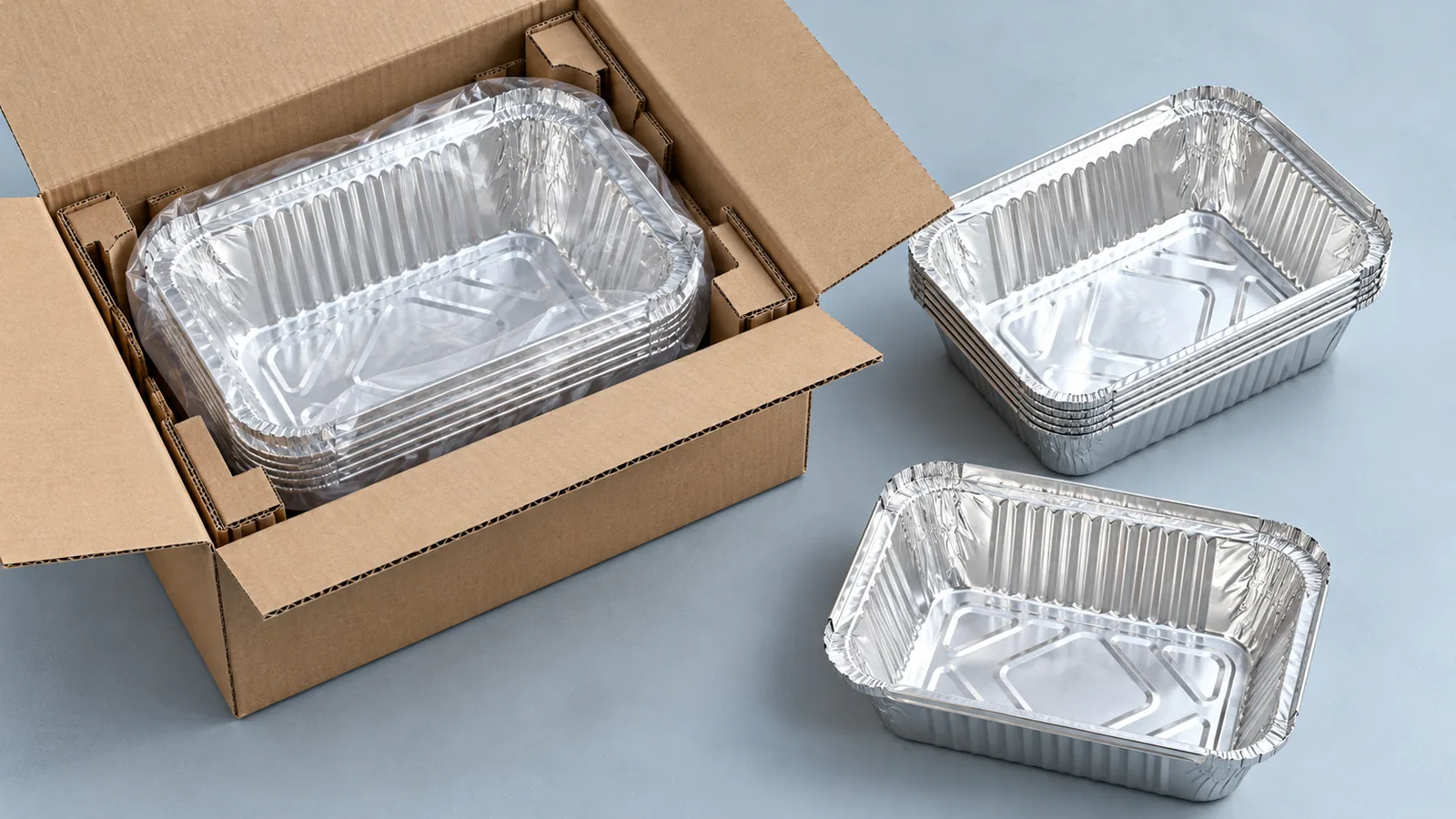
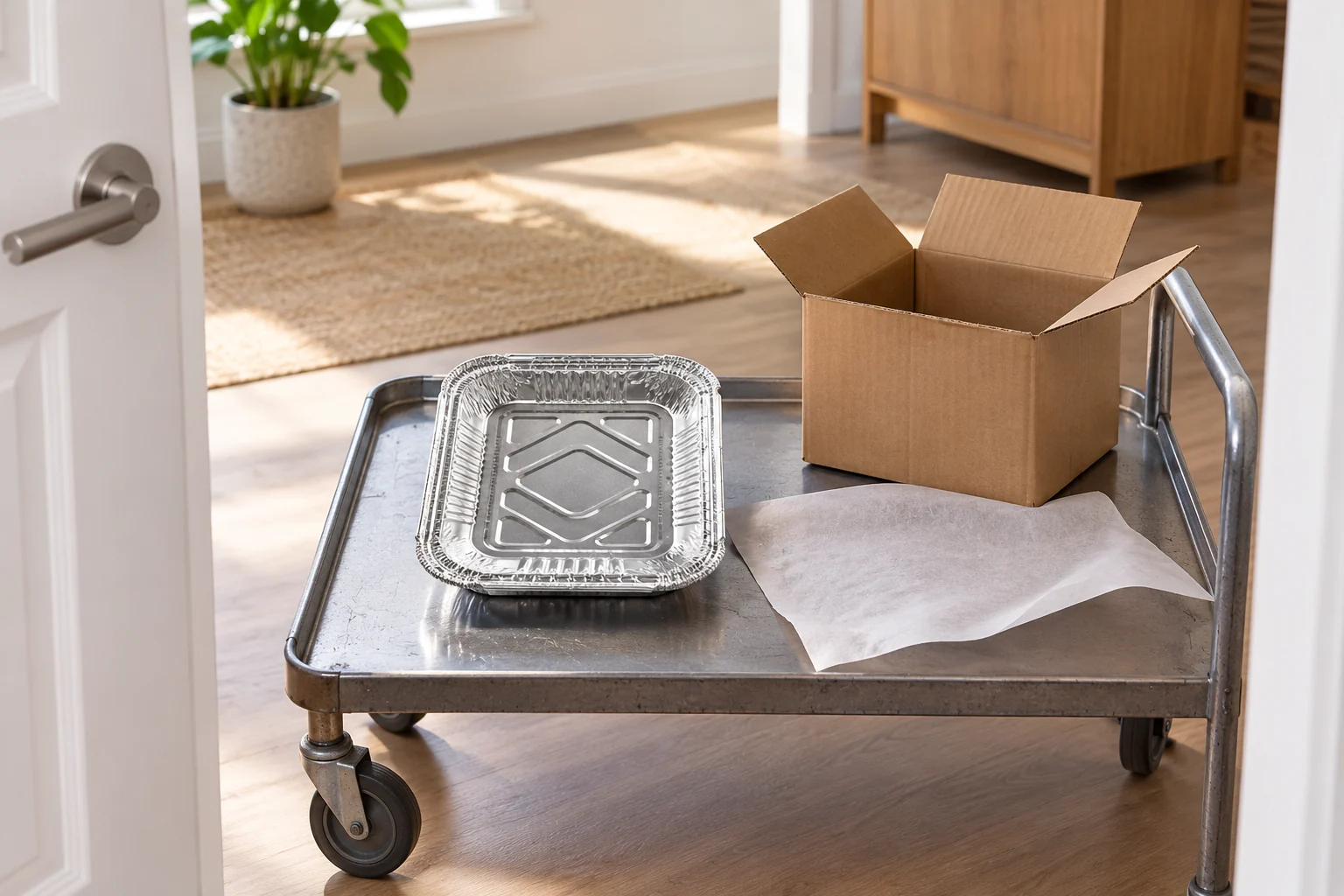
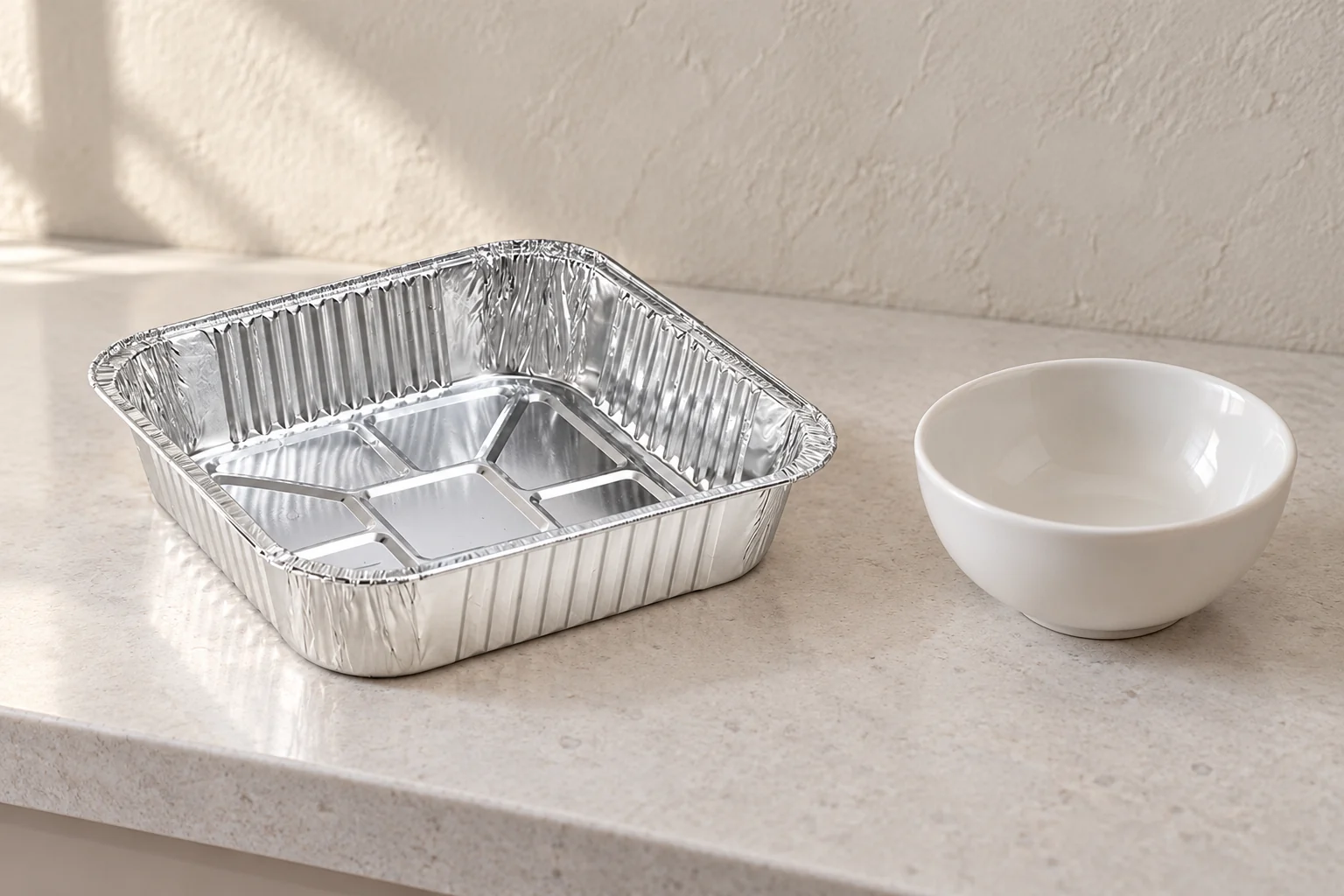
Agree the packed sample, damage criteria and receiving checks before a bulk order for Europe or Canada.
Follow a meal pack through filling, freezing, storage and reheating, with clear checks for each packaging component.
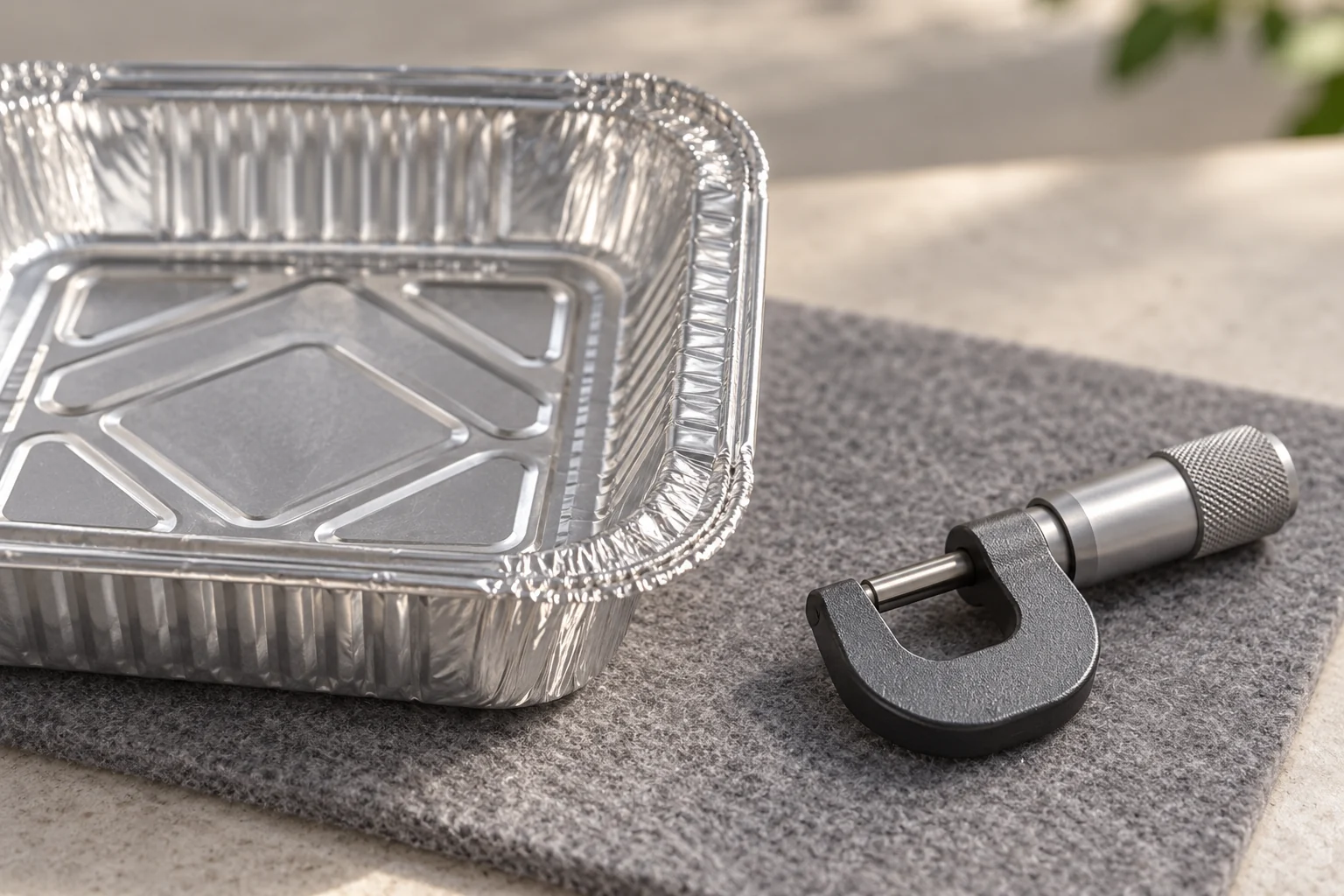
Learn how to specify aluminum foil container thickness in an RFQ, compare sample trays, and avoid weak packaging choices before bulk orders.
Use this aluminum foil container supplier checklist before placing a bulk order: verify food-contact documents, samples, lids, packing, QC, MOQ, and RFQ details.
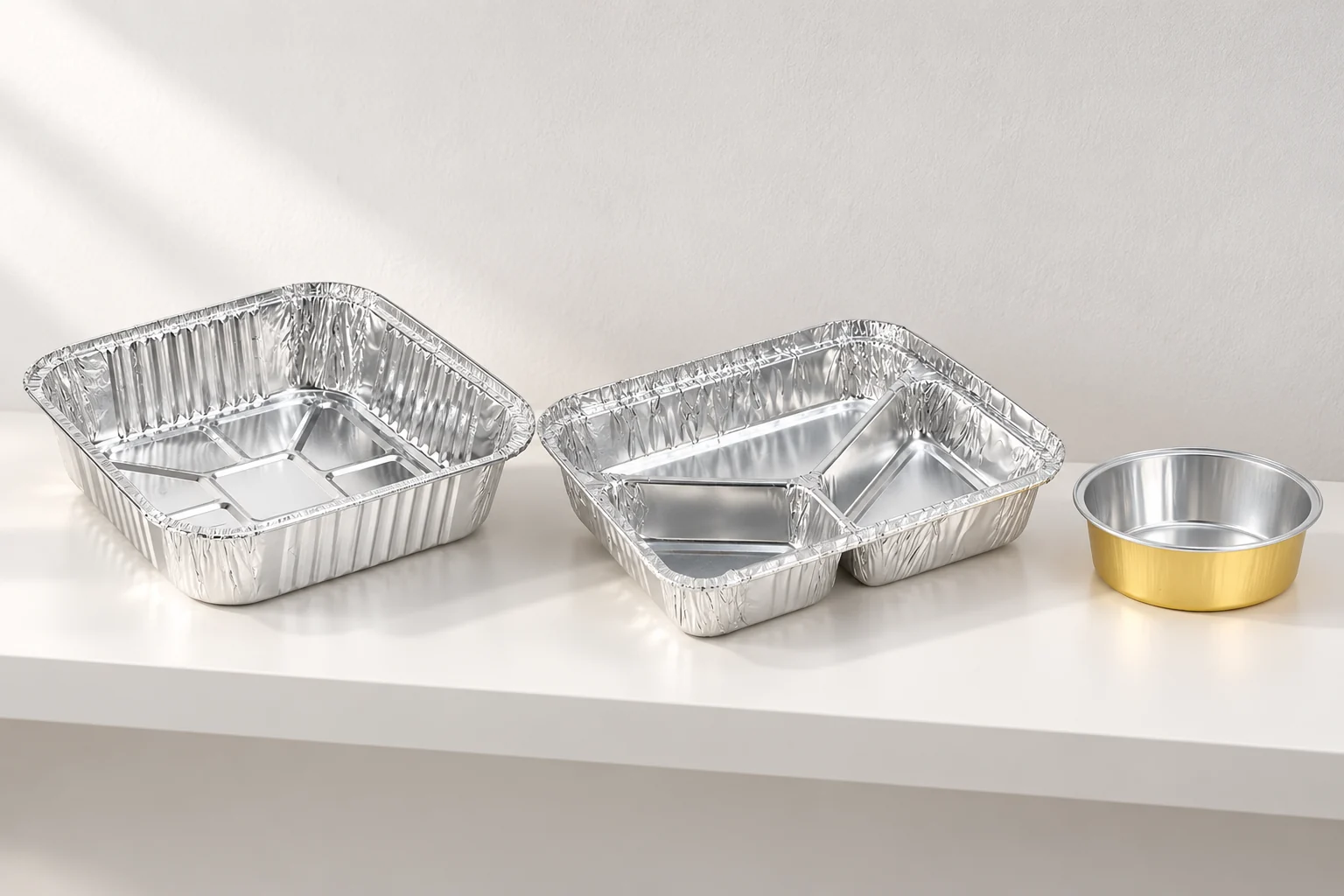
For distributors adding aluminum foil containers, the safest first range is not the biggest catalogue. It is a focused mix of fast-moving sizes, matching lids, and packing details that fit local foodservice demand.
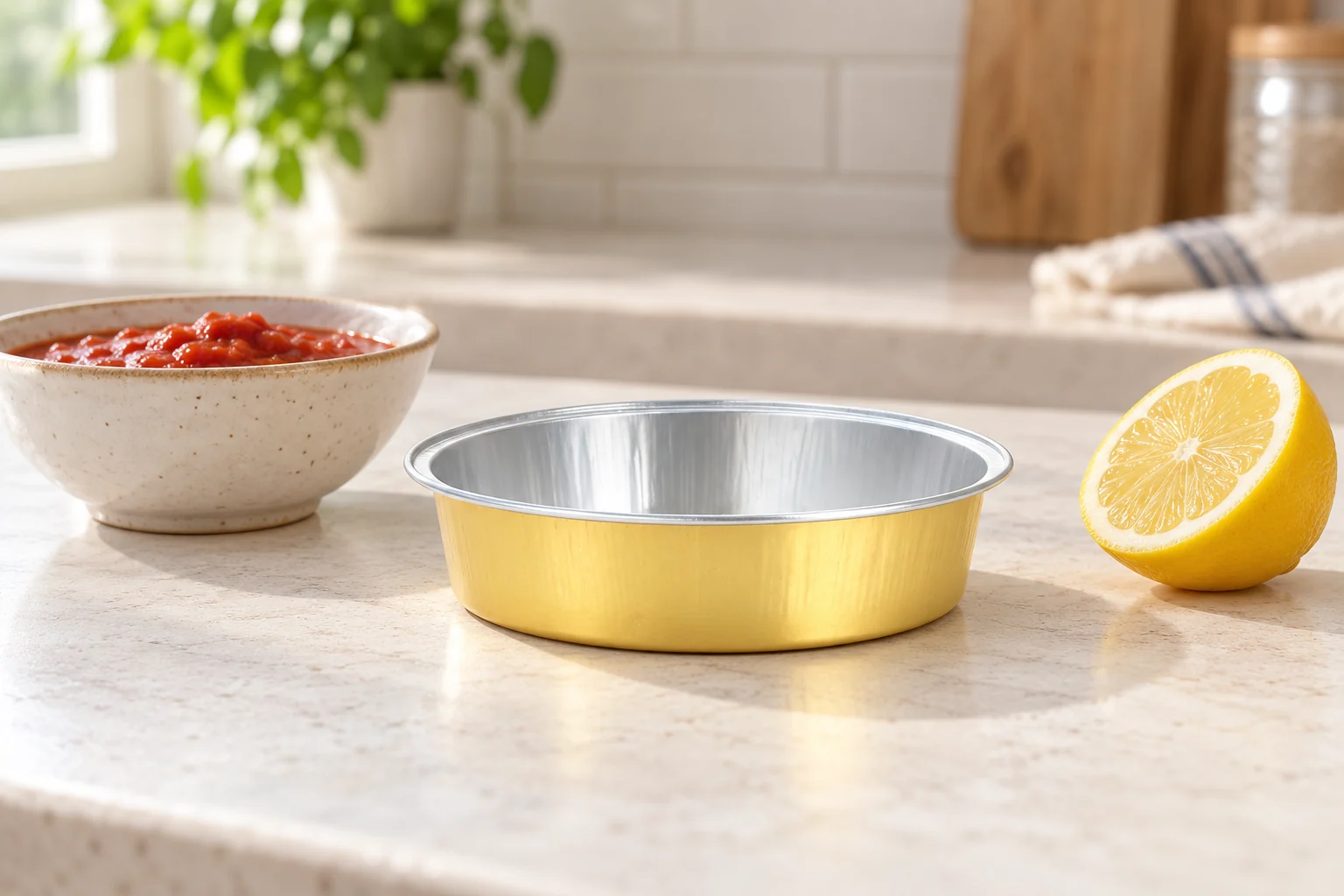
Some foods need more checking before they go into plain aluminum foil trays. This guide explains when buyers should consider lacquered aluminum foil containers and what to confirm before ordering.
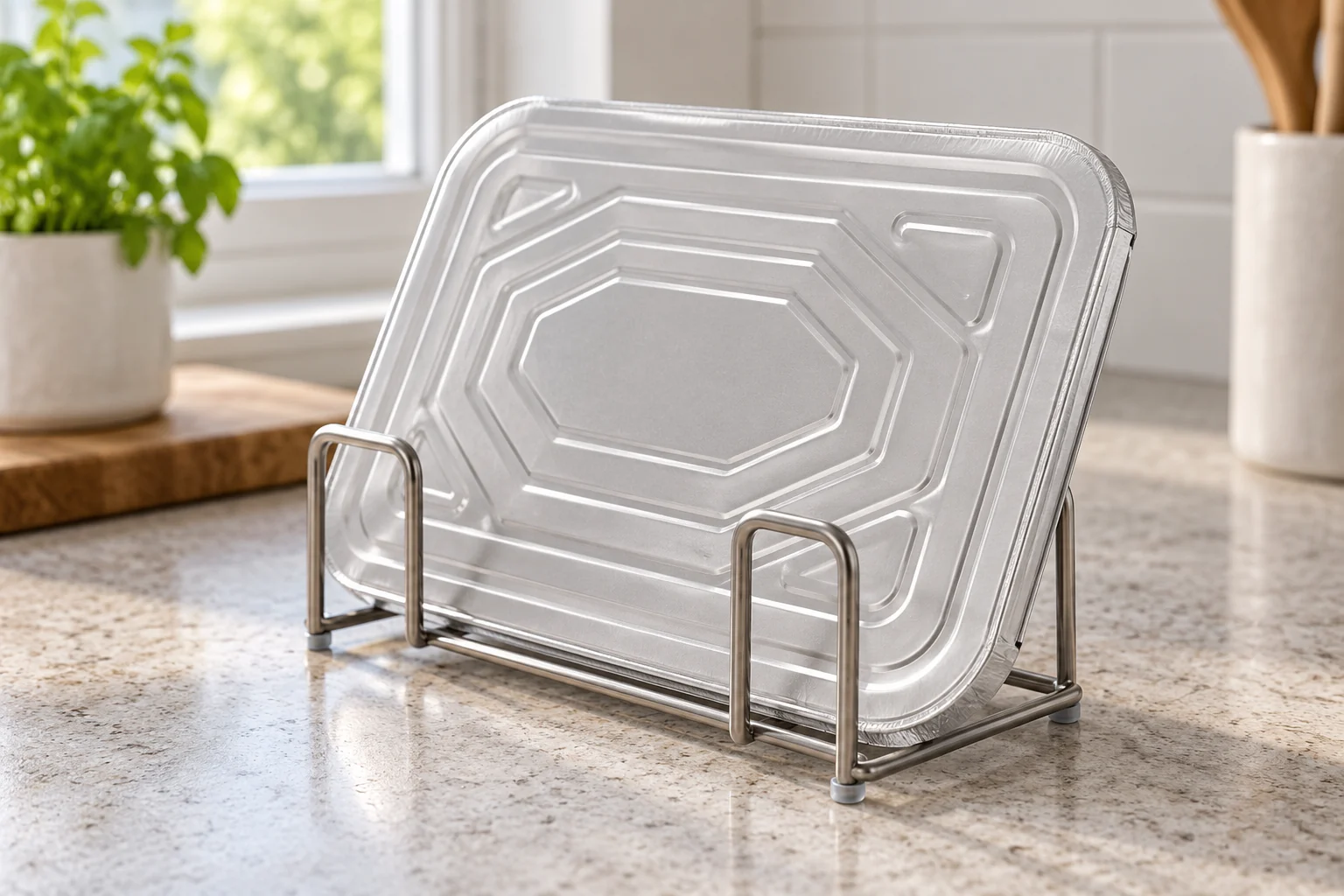
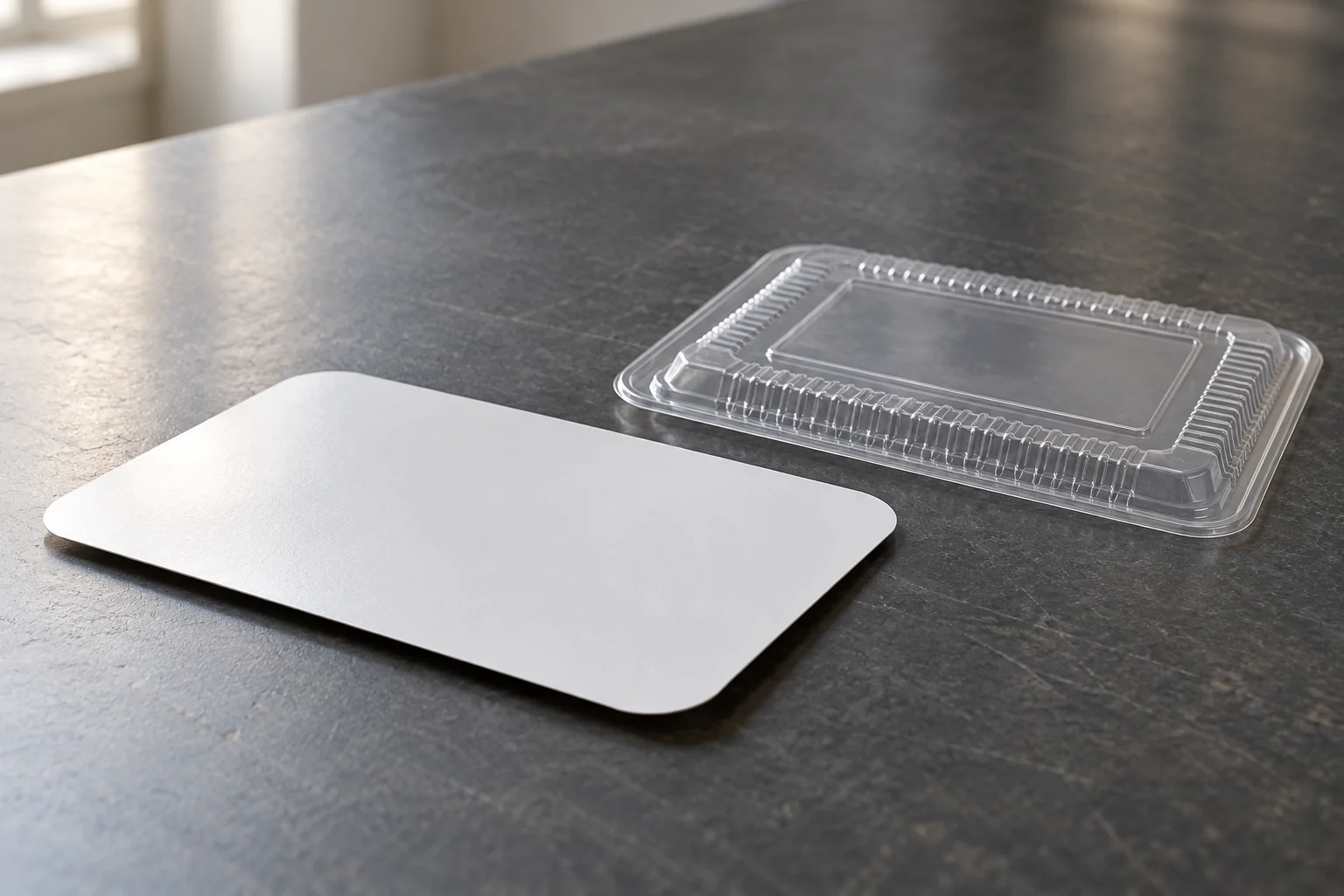
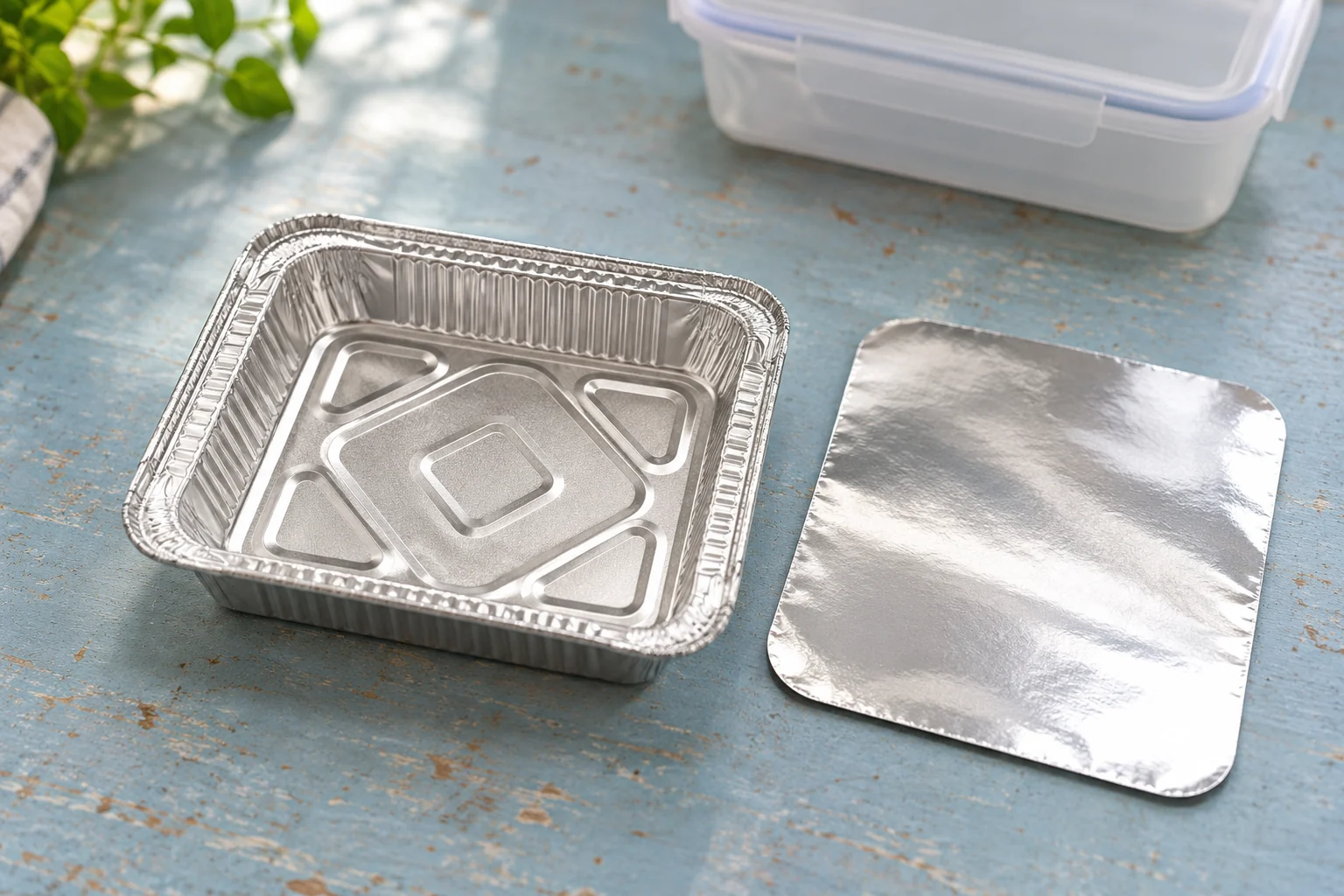
Foodservice buyers choosing foil container lids should compare paper, plastic, foil, and sealing film by heat use, branding, visibility, leak risk, stacking, and packing needs.
Restaurants and foodservice buyers choosing takeout containers for hot food should compare material, lid fit, reheating use, leakage risk, samples, and total packaging cost before ordering.
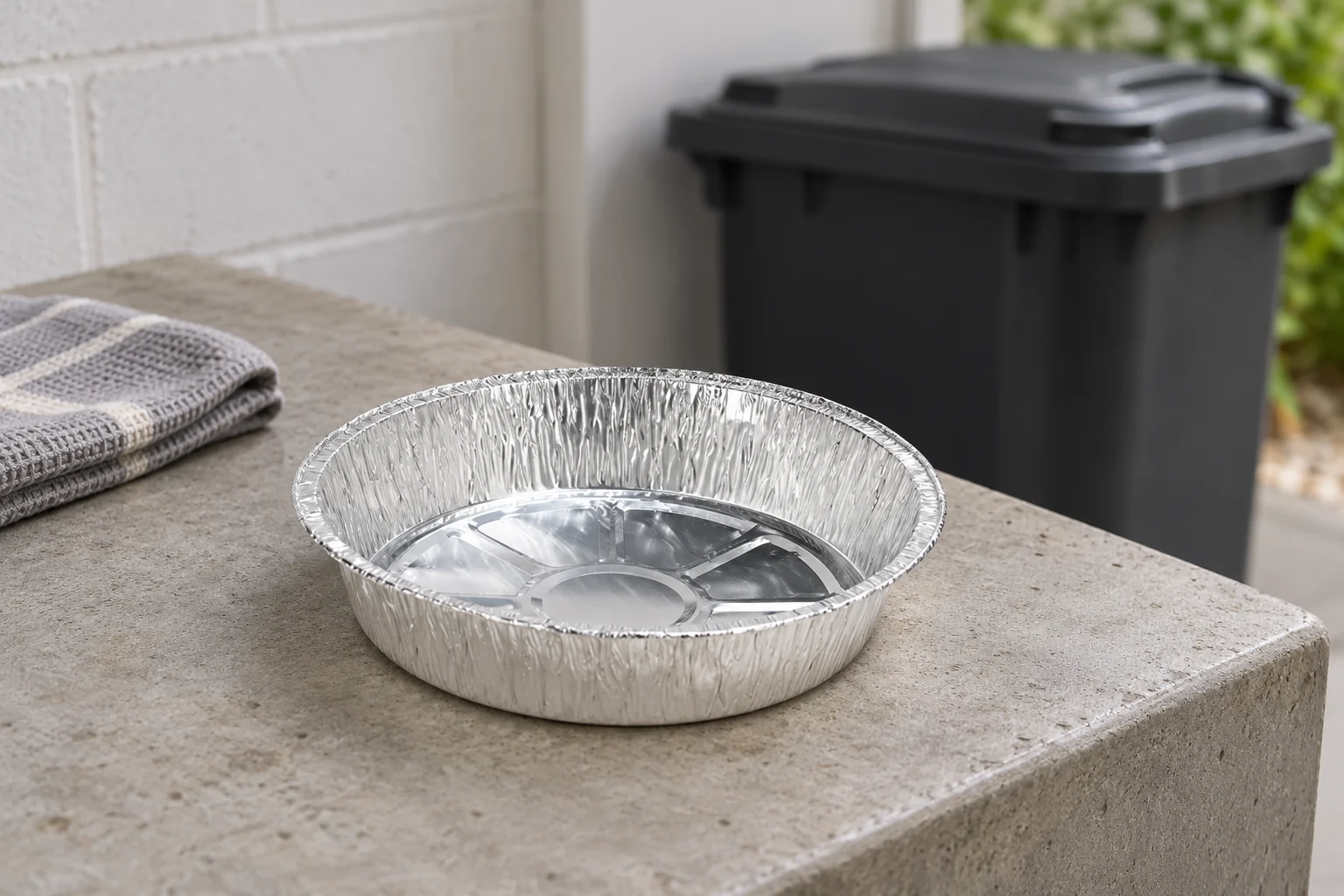
A practical guide for food packaging buyers on aluminum foil safety, real-world recycling limits, food residue, lacquered trays, lids and supplier checks.
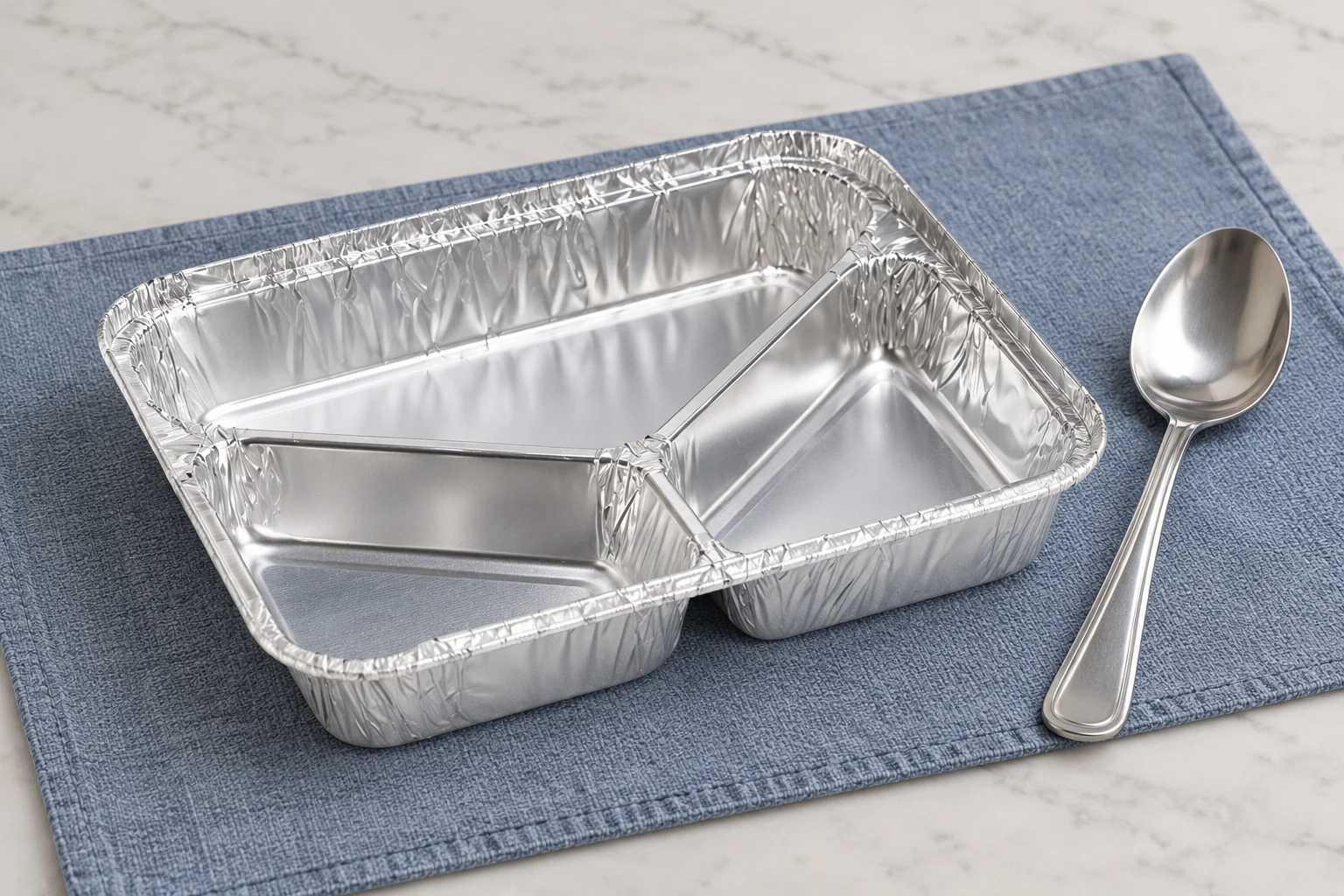
Importers buying food containers for takeout, delivery, and meal prep should compare food type, lid fit, leak risk, reheating use, carton packing, and supplier documentation before confirming orders.
A clear RFQ helps suppliers quote faster and more accurately. Here is what importers should prepare before asking for a price on aluminum foil containers.
A buyer-first guide to sourcing aluminum foil containers for takeaway, catering, and foodservice projects.
Compare paper lids and plastic lids for foil containers by heat use, printing, takeaway performance, branding, and wholesale buyer needs.
Aluminum foil may be suitable for lining cookware or covering food, but placement and cooking mode matter. Check the appliance manual, foil label, pan and lid before heating.
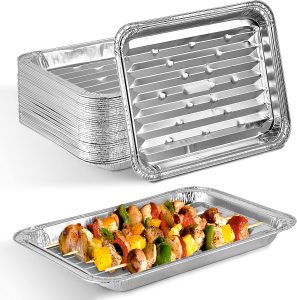
Read the February 2025 grill-tray announcement and the product-reference, appliance-placement and pack details to confirm before ordering.
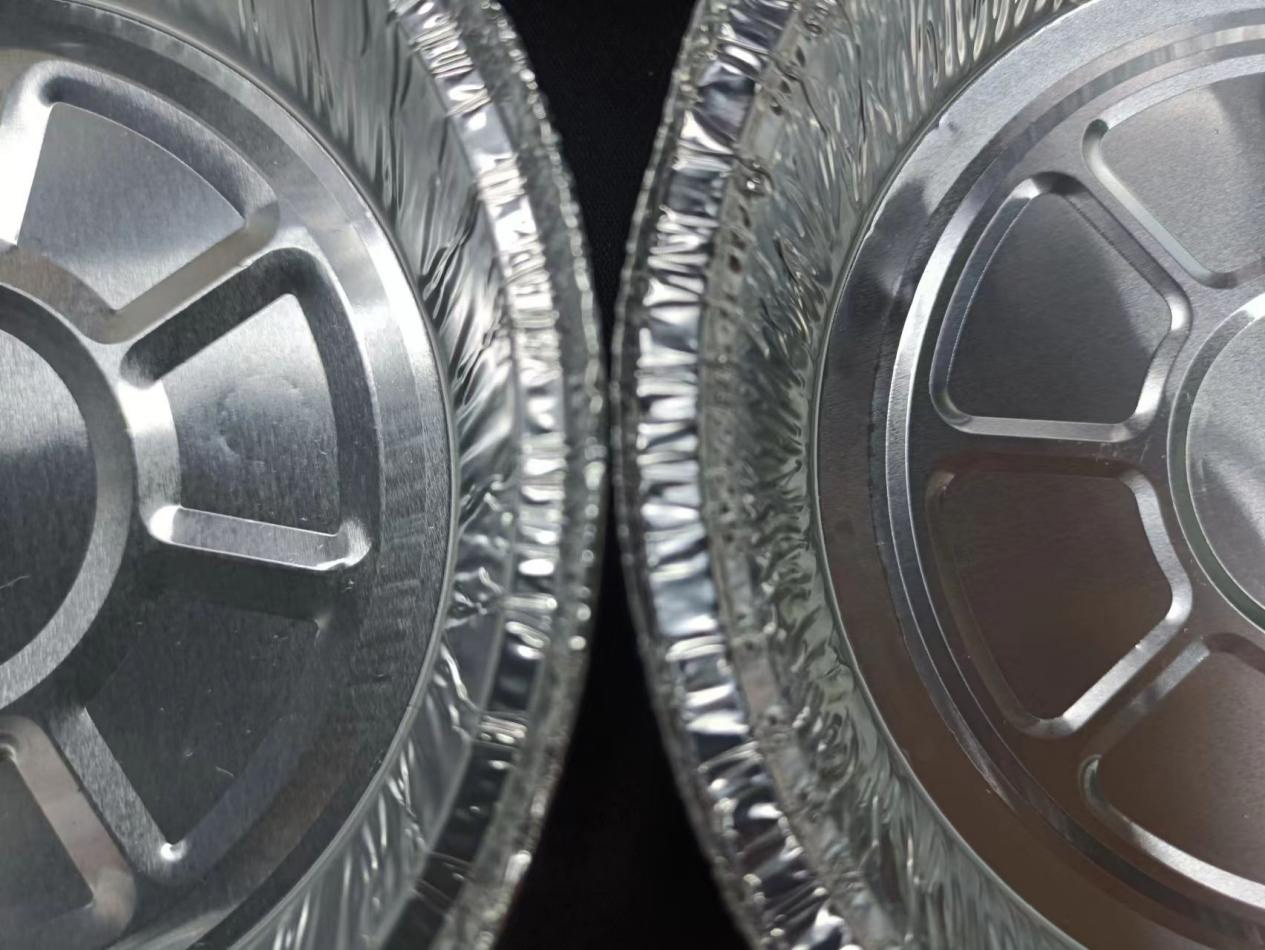
Compare foil thickness, finished-tray weight and design details, then verify performance and total cost with matched samples.