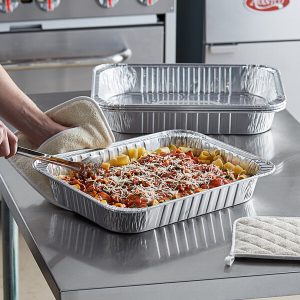

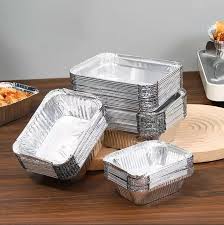
A roll of household foil is a finished format, not a description of every operation used to produce it. It helps to separate metal rolling from the later work that turns foil into rolls, sheets or other packaging. This is a general industry overview, not an account or audit of a FIRSTALU production line.
1. Reduce the metal to foil
A common route uses hot rolling to form coils, then cold rolling to reach foil thickness. EAFA overview.
For a buyer, the useful question is the finished specification: what thickness, width and tolerances are being offered? A process name does not supply those values. Ask how the ordered specification will be checked, rather than assuming that a production photograph demonstrates consistency.
2. Understand the surface and finish
Very thin foil may be rolled in paired layers, creating shiny and matt faces. Further converting can include coating, printing or lamination. GLAFRI explains these operations.
Do not use appearance alone to identify a coating or decide which surface should contact food. Ask whether the product is plain, coated or combined with another material, and read the specific use instructions. Keep the surface description attached to the product reference when comparing samples.
3. Prepare the ordered format
Slitting divides large reels into narrower widths. EAFA overview.
Define the format you need: a catering roll, an individual sheet or foil for another converting operation. Include usable dimensions, quantity and packaging requirements in the order. A roll's width, its length and its net foil mass are different pieces of information; record each with its unit instead of treating one as a substitute for another.
Connect the explanation to evidence
Ask for a current product specification and relevant records for the exact item and intended use. Record which facts are confirmed and which remain open. A generic manufacturing diagram does not establish a factory's equipment, inspection results, recycled content, energy consumption or food-contact suitability.
Understanding the sequence helps you ask better questions. Acceptance should still rest on the agreed product, appropriate supporting documents and the condition of the supplied goods.