
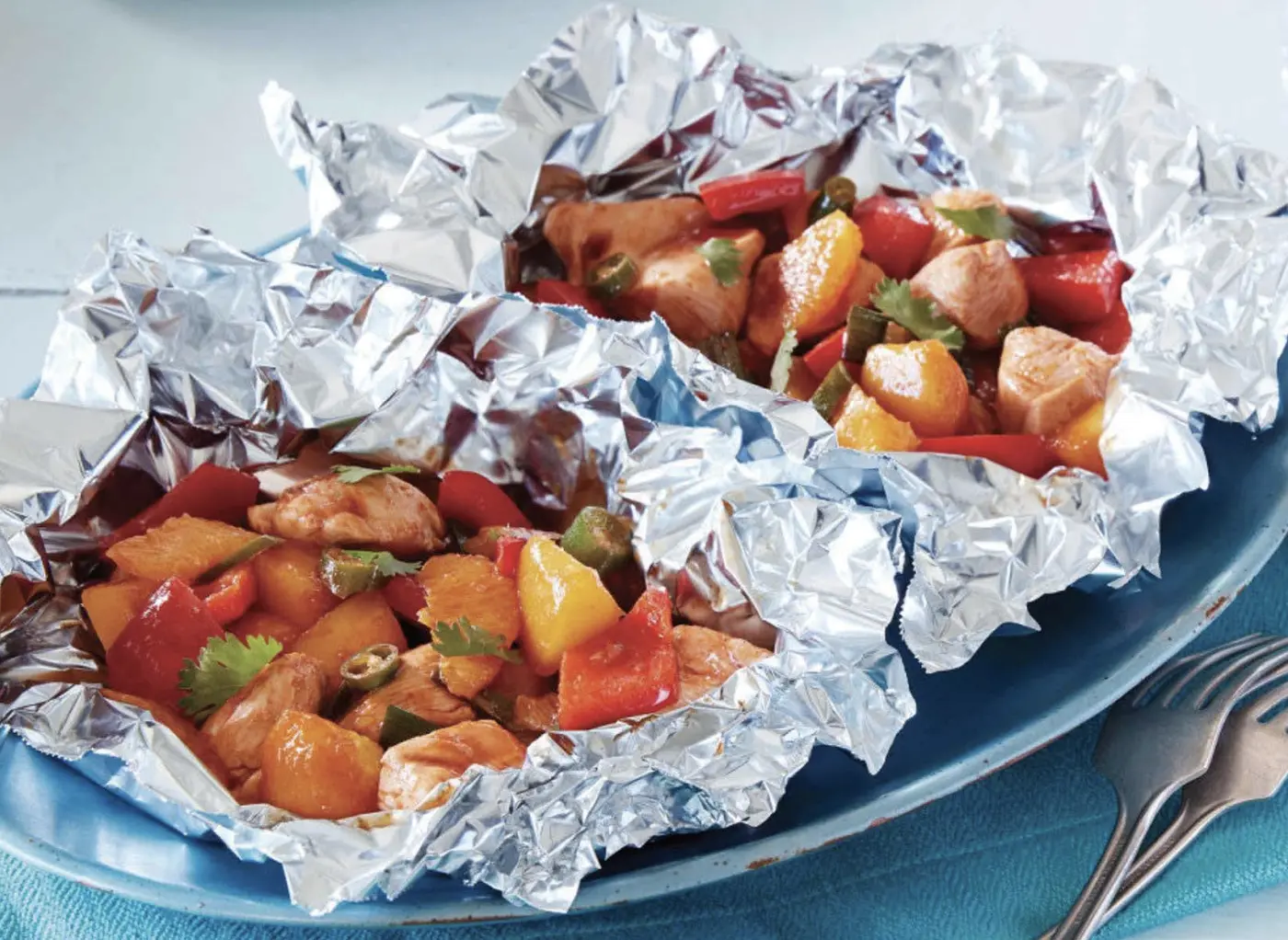
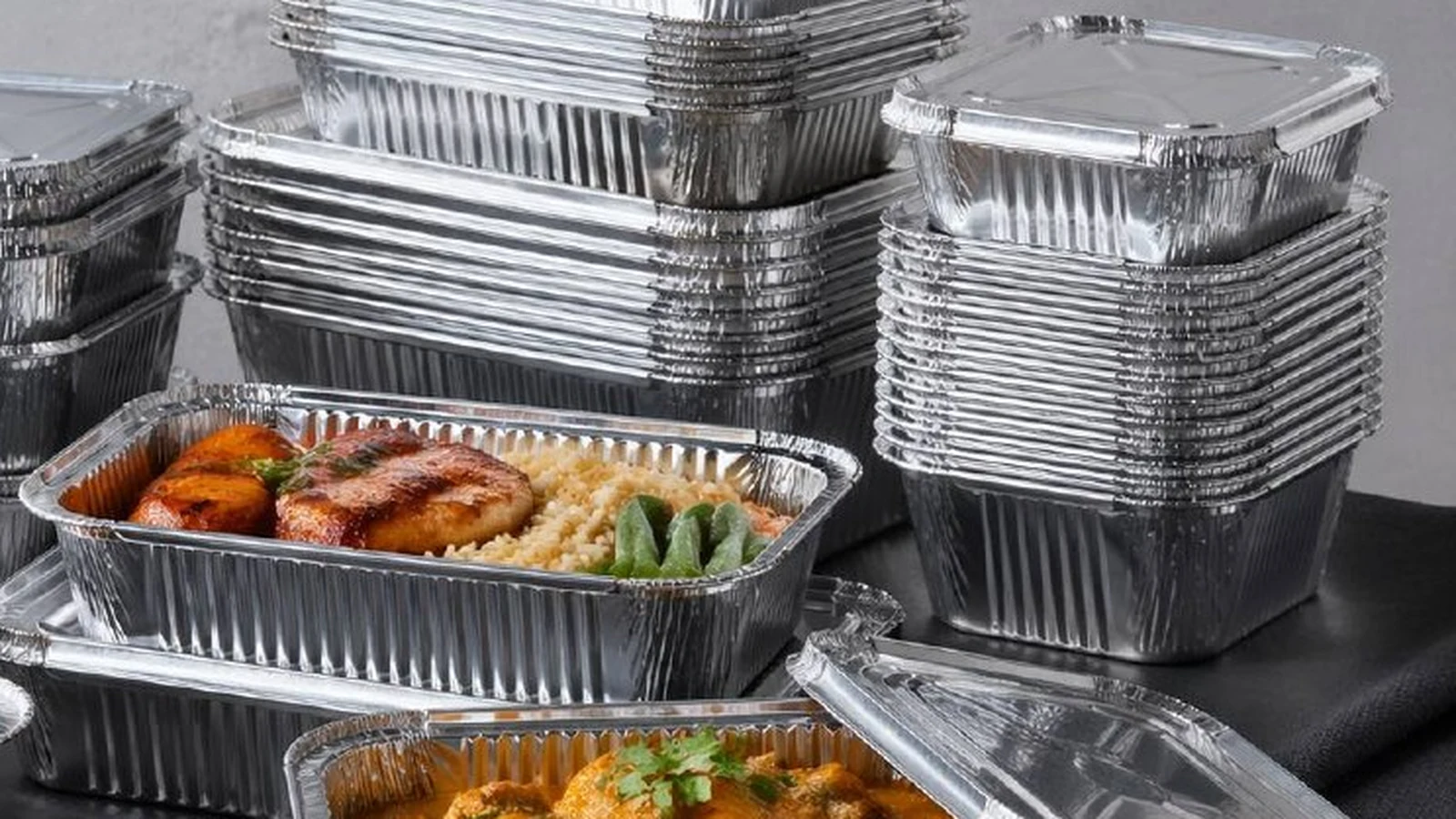
Food packaging buyers are asking a simple question more often now: is aluminum foil packaging safe and recyclable?
The honest answer is not a one-line claim. Aluminum foil remains widely used in takeaway meals, bakery trays, airline catering, roasting pans, ready-meal containers and barbecue trays. It offers heat resistance, barrier protection and practical handling advantages that many paper or plastic formats cannot replace in the same way.
At the same time, buyers need to be careful with the details. Food-contact suitability depends on the food, temperature, contact time and surface treatment. Recycling depends on local collection systems, cleanliness and whether the tray is plain, lacquered or laminated.
So the better question is not “is foil good or bad?” The better question is: when does aluminum foil packaging make sense, and what should buyers check before using it?
Why aluminum foil is still widely used in food packaging
Aluminum foil has several practical advantages for food packaging.
It can handle heat. It forms a strong barrier against light, moisture and oxygen. It helps keep food shape during transport. It is suitable for many oven, bakery, catering and takeaway uses when the correct tray and lid are selected.
This is why aluminum foil containers are still common in:
- takeaway meals and delivery packaging
- airline and railway catering
- bakery and dessert packaging
- BBQ and roasting trays
- ready meals and meal prep
- supermarket deli and prepared-food counters
- restaurant and hotel catering
Buyers comparing tray options can also review [aluminum foil containers](/products/aluminum-foil/container), [wrinklewall trays](/products/aluminum-foil/aluminum-foil-container-wrinklewall), [smoothwall containers](/products/aluminum-foil/aluminum-foil-container-smoothwall), and [foil rolls](/products/aluminum-foil/aluminum-foil-roll) when matching the material to the food application.
For buyers, the question is not whether aluminum foil is “old” or “new”. The real question is whether it fits the food, temperature, shelf-life, handling and recycling expectations of the target market.
Why this question matters more now
Several packaging pressures are arriving at the same time.
Foodservice, delivery and prepared meals still need packaging that can handle heat, grease, transport and shelf display. At the same time, brands and distributors are under pressure to reduce confusing packaging claims, improve recycling communication and compare materials more carefully.
This is why aluminum foil sits in the middle of many packaging discussions. It is not a universal answer, and it should not be marketed with vague “green” claims. But it remains relevant because it can combine food protection, heat performance and recycling potential when the product and local waste route are suitable.
For importers and packaging distributors, this creates a practical sourcing issue: buyers need suppliers who understand both performance and limits, not only price.
Food safety: what buyers should check
Food-contact safety should never be treated as a simple marketing claim. A buyer should check whether the product is suitable for the intended food and use condition.
For aluminum foil containers, practical checks include:
- whether the tray is plain aluminum foil or lacquered
- whether the tray will touch acidic, salty or highly seasoned foods
- whether the food will be baked, reheated, chilled or frozen
- whether a paper lid, plastic lid, foil lid or sealing film is required
- whether the buyer needs food-contact declarations or test reports for a specific market
- whether the supplier can provide material, thickness and production information
Plain aluminum foil trays are widely used for many foods. For some applications, especially where the food is acidic or salty, buyers may need to confirm whether a lacquered tray or a different packaging structure is more suitable.
This is not only a safety question. It is also a product performance question. The wrong tray may affect appearance, shelf life, leakage resistance or customer acceptance.
Recycling: aluminum is recyclable, but used food trays need the right route
Aluminum as a material is recyclable. This is one reason it remains attractive in food packaging discussions.
However, used food packaging is not the same as clean industrial aluminum scrap. A foil container that is heavily contaminated with food, oil or sauce may be rejected by some recycling systems. Local recycling rules also vary by city, country and waste contractor.
For businesses using aluminum foil trays, the practical recycling points are:
- clean trays are easier to recycle than dirty trays
- food residue and grease can reduce recycling acceptance
- small pieces of foil may be harder for sorting systems to capture
- lacquered or laminated structures may need separate checking
- buyers should confirm local recycling instructions before printing recycling claims on packaging
A safe message for brands is: aluminum foil packaging can support recycling goals, but the real result depends on product design, consumer behavior and the local collection system.
Sustainability is not only about recycling
Many packaging buyers now ask whether aluminum foil is sustainable. The answer depends on how the packaging is used.
Recycling is important, but sustainability also includes food waste reduction, transport efficiency, product protection, material usage and end-of-life handling.
For example, if a foil tray helps protect a hot meal, reduce leakage, keep food quality and support portion control, it may bring operational value even before recycling is considered. In foodservice, packaging failure can create waste, complaints and replacement cost.
This is why buyers should avoid simple comparisons such as “foil is always better” or “paper is always greener”. Each material has strengths and limits.
Paper can work well for dry or short-contact foods, but it may need coatings for grease or moisture. Plastic can offer visibility and tight lids, but some markets and customers are reducing plastic use. Aluminum foil can handle heat and barrier needs, but recycling communication must be realistic.
A better sourcing question is:
Which packaging structure gives the right food protection, user experience, regulatory support and waste route for this market?
Coatings, lacquered trays and lids matter
Not all aluminum foil containers are the same.
Some trays are plain foil. Some are lacquered for a specific food-contact or appearance requirement. Some are paired with paper lids, plastic lids, foil lids or sealing films. Some are designed for oven use, while others are mainly for chilled or takeaway use.
This matters because the lid and surface treatment can affect:
- heat resistance
- printing options
- stacking and transport
- shelf display
- food-contact suitability
- recycling instructions
- total packaging cost
For example, printed paper lids can help branding and product information. Plastic lids may give visibility for some takeaway uses. Foil lids or sealing films may be more suitable for certain prepared-meal applications. The right answer depends on the food and sales channel.
What buyers should ask before sourcing aluminum foil packaging
Before asking for a price, buyers should prepare basic use information. This helps the supplier recommend the correct tray and avoid mismatched products.
Useful questions include:
1. What food will be packed? 2. Is the food hot, chilled, frozen or baked? 3. Will the tray go into an oven or only be used for takeaway? 4. Does the food contain strong acid, salt or sauce? 5. Is a plain or lacquered tray preferred? 6. What lid is required: paper, plastic, foil or sealing film? 7. Is printing needed on the lid or packaging? 8. What market will the product be sold in? 9. What food-contact documents does the buyer need? 10. How important is local recyclability communication?
These questions are simple, but they reduce mistakes at the sampling and quotation stage.
A balanced view for 2026 buyers
Aluminum foil will continue to be important in food packaging because it solves real foodservice problems: heat, barrier protection, shape stability and convenience. It also sits in a larger industry conversation about recyclable materials, plastic reduction and honest sustainability claims.
At the same time, buyers should be realistic. Recycling depends on local systems. Food-contact suitability depends on the tray, coating, food type and use condition. Sustainability depends on the whole packaging system, not only one material claim.
For importers, distributors and foodservice packaging buyers, the best approach is to treat aluminum foil packaging as a technical purchasing decision, not just a commodity item.
A reliable supplier should be able to discuss material, thickness, tray shape, lid options, packing, food-contact documents and realistic recycling communication.
FAQ
Are aluminum foil containers recyclable?
Aluminum is recyclable, but used food containers must meet local recycling rules. Clean trays are more likely to be accepted than trays with heavy food residue, oil or sauce. Buyers should check the recycling guidance in their target market before making packaging claims.
Are aluminum foil containers safe for food contact?
Aluminum foil containers are widely used in food packaging, but suitability depends on the food, temperature, contact time, surface treatment and local requirements. Buyers should ask suppliers for food-contact information and choose plain or lacquered trays according to the application.
Can aluminum foil containers be used in the oven?
Many aluminum foil trays are used for oven and bakery applications, but the final answer depends on the tray design, lid type and use condition. Plastic lids should not be used in an oven. Buyers should confirm the intended use before ordering.
Are aluminum foil containers suitable for acidic or salty foods?
Some acidic, salty or highly seasoned foods may require extra checking. In certain cases, lacquered trays or another packaging structure may be more suitable. Buyers should share the food type with the supplier before confirming the product.
Is aluminum foil more sustainable than plastic or paper?
There is no single answer for every case. Aluminum has strong recycling potential and good barrier/heat performance. Paper and plastic also have roles in specific applications. Buyers should compare food protection, local recycling rules, cost, user experience and compliance needs.
Need help choosing the right foil tray?
First Alu supplies aluminum foil containers, trays and lid options for foodservice, takeaway, bakery, catering and prepared-food packaging. If you are selecting packaging for a specific food or market, share the food type, tray size, lid requirement, packing quantity and target market. We can help check suitable options before quotation.