
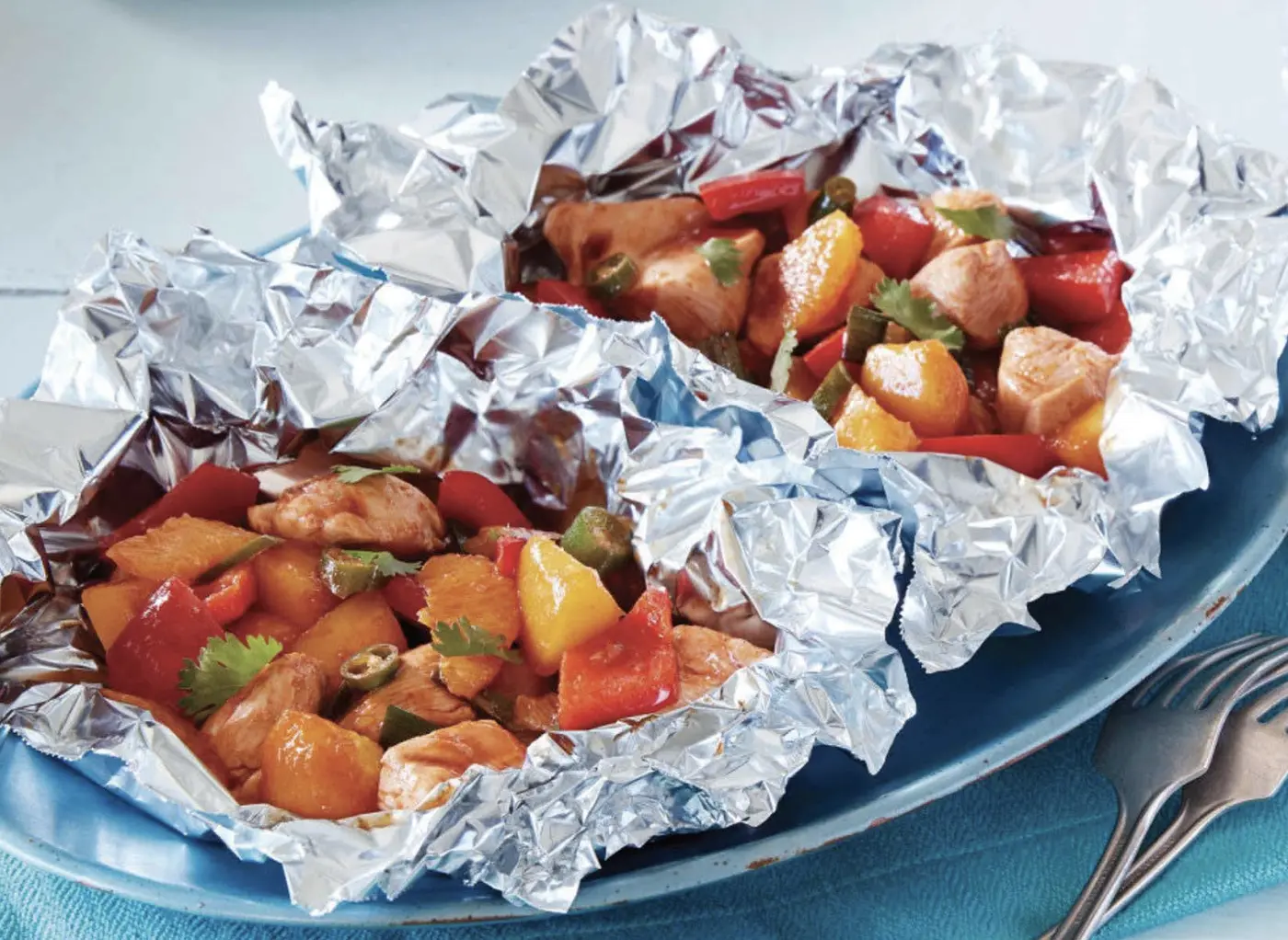
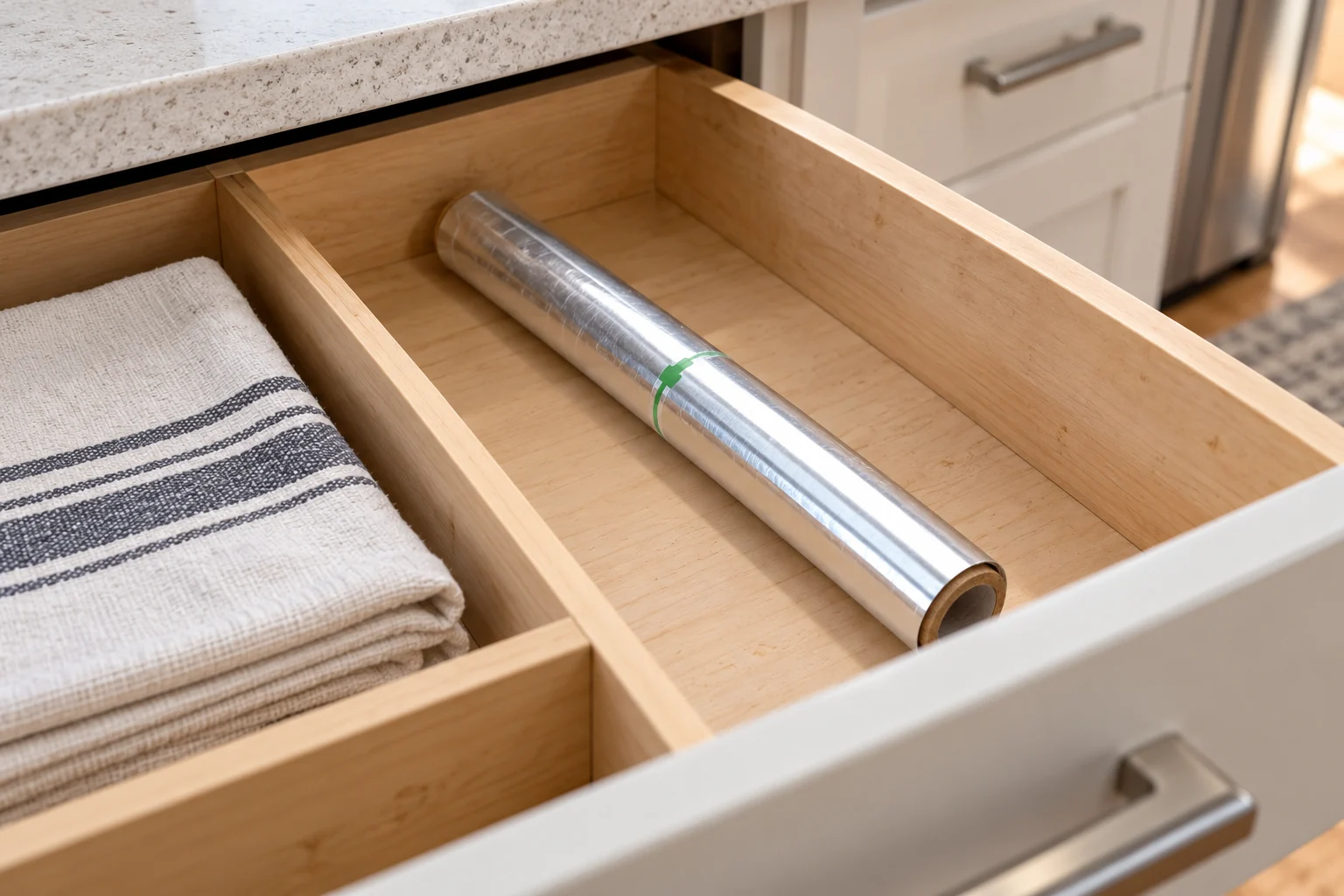
A useful foil station makes the ordinary job clear: which material to take, how much is needed, where to close the pack and what to do with the offcuts. Start with your busiest wrapping task rather than a collection of improvised “hacks.” The checklist below is a proposed working method, not a measured claim of faster service.
Before service: make the station ready
Place the dispenser on a suitable stable surface in the configuration its maker specifies. Check the refill size, threading or loading instructions and cutter condition. Keep its identification and instructions available. If a cutter is damaged or the box no longer holds the roll properly, follow the maker's replacement procedure; do not improvise a blade or bypass a guard.
Walk through one real pack from food portioning to closure. Can the operator reach the foil without reaching across another person's work or repeatedly moving the meal? Is there clear space for the unfolded material? Move ordinary bench items if needed, while respecting the kitchen's hygiene layout and the dispenser's installation instructions.
Keep spare stock protected and identifiable. Choose a refill location and name the person responsible for replenishment, so an empty dispenser does not trigger a search during service.
Match the material to the regular job
Make a small job card listing the item, appropriate foil product, width, starting cut length or sheet size, and closure method. Establish the size on an actual pack, including folds. If the pack tears or needs a second piece, investigate the fit and method rather than simply telling staff to use less.
For a detailed comparison, use the sheet-versus-roll fit trial. A successful test on one sandwich does not settle the choice for every tray. Keep different coated or non-stick products clearly distinguishable and follow their own instructions.
Keep appliance decisions out of the improvisation zone
The job card should name the permitted use, such as wrapping for the specified storage process. It should not silently become permission to put foil into any appliance. Retain relevant product and appliance instructions wherever heating is part of the task.
Do not use foil to repair equipment, alter electrical parts or create an undocumented oven liner. Reynolds specifically advises against lining the oven floor with foil. Manufacturer guidance
Give waste a clear destination
Check the actual commercial collector's rules for foil, trays, coatings and food residue. Then label the collection point to match. As one local example, New York City lists foil and trays in business recycling and directs businesses to coordinate with their private carter. This is not a rule for every location. NYC business recycling
Do not send used food-contact foil back to the clean supply. Any reuse decision needs an appropriate product instruction and hygiene procedure; “it still looks clean” is not a station rule.
After service: change one thing at a time
Record completed packs, tears, extra cuts, dispenser problems, refill interruptions and leftover material. Ask the operator which movement was awkward. Try one permitted adjustment, such as relocating spare stock or changing to a better-fitting sheet size, and compare another similar service period. Keep the change only if the observed workflow improves without compromising pack quality or hygiene.
