
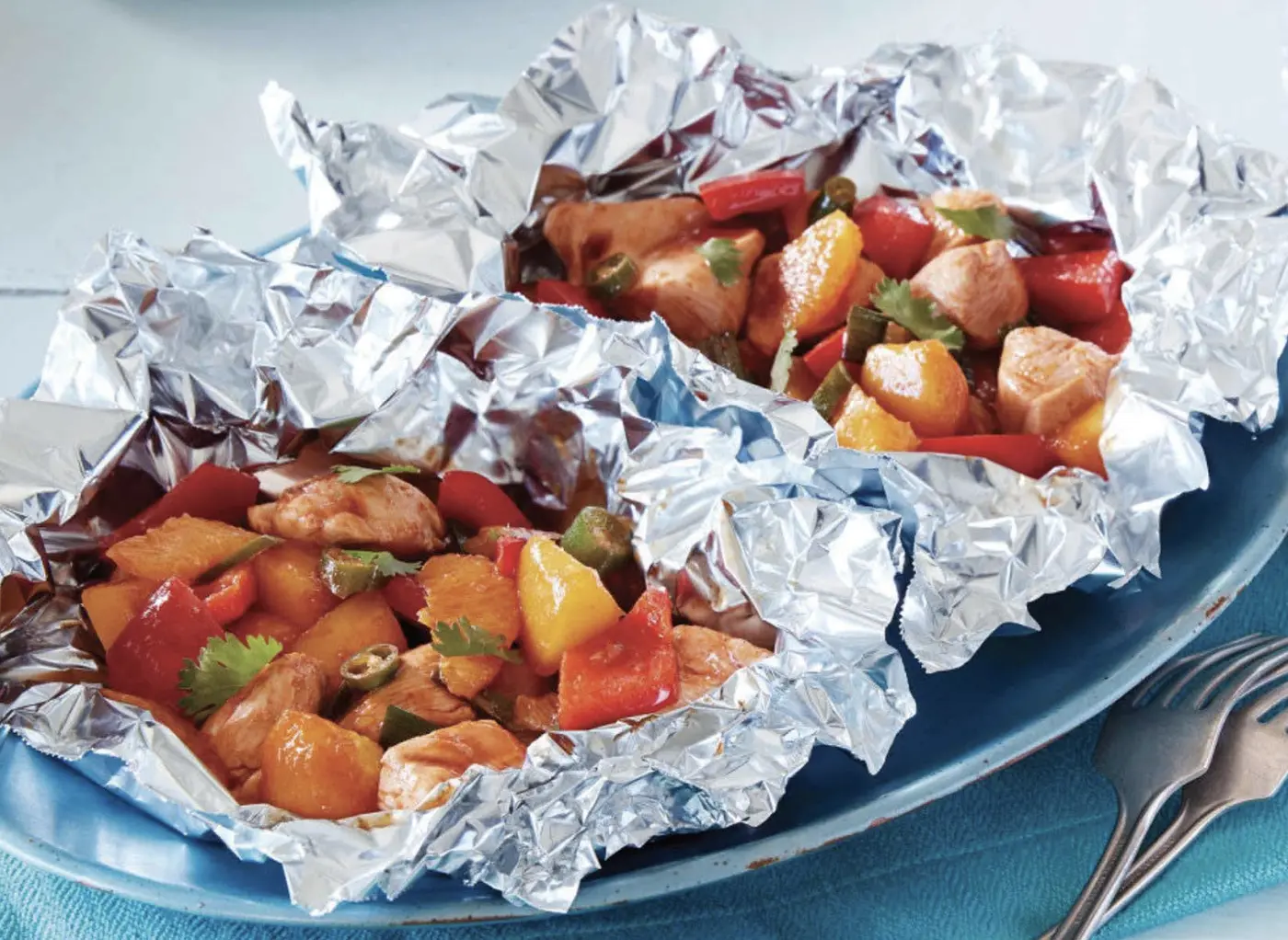

A delivery meal passes through several hands: the cook, packing staff, courier and customer. A foil tray may be one part of that journey, but choosing aluminum does not settle how the meal will be closed, kept at the required temperature or reheated. Start by assigning each job to the right part of the operation.
This guide offers a planning worksheet, not evidence that a particular FirstAlu tray has passed a food-contact, transport or appliance test.
Give each component a clear job
List what is actually included in the proposed pack:
- Tray: portion size, shape, support and the surface that contacts food
- Lid or film: closure method, fit, visibility and any use restrictions
- Label or order slip: meal identity and the instructions the customer needs
- Delivery bag or outer carrier: how the closed meals are held and separated during transport
- Food-handling process: preparation, holding, dispatch, delivery and any later storage
Record the exact tray and lid references together. A label saying “foil container” cannot tell staff which lid belongs on it or whether that lid should be removed before heating.
Choose the pack for the menu
Write down the food, portion weight, sauce content and expected contact time. Check the supplier's intended-use information for that combination. Do not assume every tray has a coating, or that a coated tray suits every dish.
For a hypothetical menu containing a dry bakery item and a sauced meal, make two requirement lines before deciding whether one pack can serve both. The bakery line might focus on presentation and space; the sauced-meal line should also identify the proposed closure and food-contact conditions. These are planning examples, not tested product recommendations.
For a more detailed component review, use the tray-and-lid guide.
Keep temperature control in the operating plan
The UK Food Standards Agency's delivery guidance calls for suitable food-grade packaging and keeping refrigerated foods cool in transport. A foil tray does not replace that operating control.
Have the person responsible for food safety define the applicable time and temperature limits, monitoring method and response to a delay. Record where the measurement happens and who makes the release decision. Do not approve a delivery merely because the outside of the tray feels warm or the lid is still closed.
Make the handoffs unambiguous
A simple job sheet can assign four checks:
1. Packing staff match the meal, tray and lid to the approved combination 2. Dispatch staff check closure, order identification and the planned delivery conditions 3. The courier receives the handling instructions and a way to report delays or damage 4. The customer receives the storage and reheating instructions appropriate to the actual meal and pack
This is a proposed coordination tool. Adapt it to your operation's food-safety procedures; it is not a validated control plan or a substitute for local requirements.
Separate delivery from reheating
Delivery suitability does not establish oven or microwave suitability. Keep the tray, lid, film and appliance instructions together when preparing customer directions. If the proposed heating use is not supported, specify a suitable transfer container through the food business's reviewed instructions rather than inventing a temperature for the foil pack.
The practical output is one agreed pack specification and one clear set of handoffs. Then evaluate the physical pack using the separate delivery-pack trial checklist. Record the result for the exact combination and route; do not turn one successful trial into a guarantee for every meal.


